Good domestic landscape design does two points at once. It makes your home feel much better to stay in today, and it quietly includes worth for the day you determine to market. Most house owners concentrate on paint shades and kitchen area surfaces, then tip over bare planting beds and cracked walkways heading to the open home. Purchasers do not. They discover the outside first, which first impression frameworks everything that follows.
After years of walking homes with property agents, evaluators, and landscape crews, I can inform you this: you rarely require a masterpiece estate yard to move the needle. You need a style that looks willful, is cleanly built, and feels easy to keep. When those 3 components align, also moderate homes start to look even more expensive.
This is where the frame of mind of business landscape design and specialist landscape layout can silently raise a common yard. You do not require landscaping pasadena a company campus budget, simply an extra strategic way to make use of it.
How Landscape design In fact Affects Home Value
Landscaping influences worth in two means, one emotional and one financial.
The psychological side is simple. Purchasers develop an opinion in the first 10 to 30 seconds of seeing a building. Neat, healthy and balanced plants and a clear entry sequence signal that the home has been looked after. Overgrown bushes, irregular lawn, and discolored hardscape send out the opposite signal, also if the interior is immaculate.
Financially, landscaping adds to:
- Perceived top quality: Evaluators and purchasers typically watch good property landscape design as evidence that the remainder of the residential property has actually been kept just as well. Marketability: A residence that pictures well and looks welcoming from the road often tends to obtain even more showings, more offers, and less time on market. Usable square footage: Exterior rooms that work like additional spaces - a simple patio area, a specified fire pit location, or a shaded seating corner - efficiently expand living room without setting off the same expense as an addition.
It is hard to assign a single percentage to landscaping value due to the fact that markets vary, but in numerous houses, realty representatives regularly estimate a tactical landscape can add a number of percent to perceived value. On a 400,000 dollar home, also a 3 to 5 percent lift is meaningful.
The crucial detail is that the worth originates from the total impression, not from any kind of single costly feature. A 15,000 dollar exterior kitchen area surrounded by dying shrubs resembles a blunder. A 3,000 dollar mix of entry planting, illumination, and fixed sidewalk can feel like a significant upgrade.
Think Like a Commercial Site, Then Scale It Down
Commercial landscaping has one key concern: control the customer experience from the minute a person sees the residential or commercial property. You can borrow that state of mind in the house without transforming your backyard into a purchasing center.
Professionals that handle commercial sites check out three things in turn: how people get here, exactly how they move with the space, and what they see at each minute. Equating that to property landscaping, you focus on the arrival from the street, the walk to the front door, and the sights from key home windows and exterior seats areas.
From experience, the fastest worth increases typically come from tightening up those 3 areas:
First, the road sight. This consists of the visual, driveway edges, mailbox location, and the broad front facade of the house. Tidy lines, regular plant elevations, and noticeable windows and door matter greater than plant variety.
Second, the front walk and entry. People must recognize instantaneously where to stroll, and the path should feel inviting, not like a slim alley. If the sidewalk is broken or too thin, landscape building upgrades below frequently pay back both in safety and appearance.
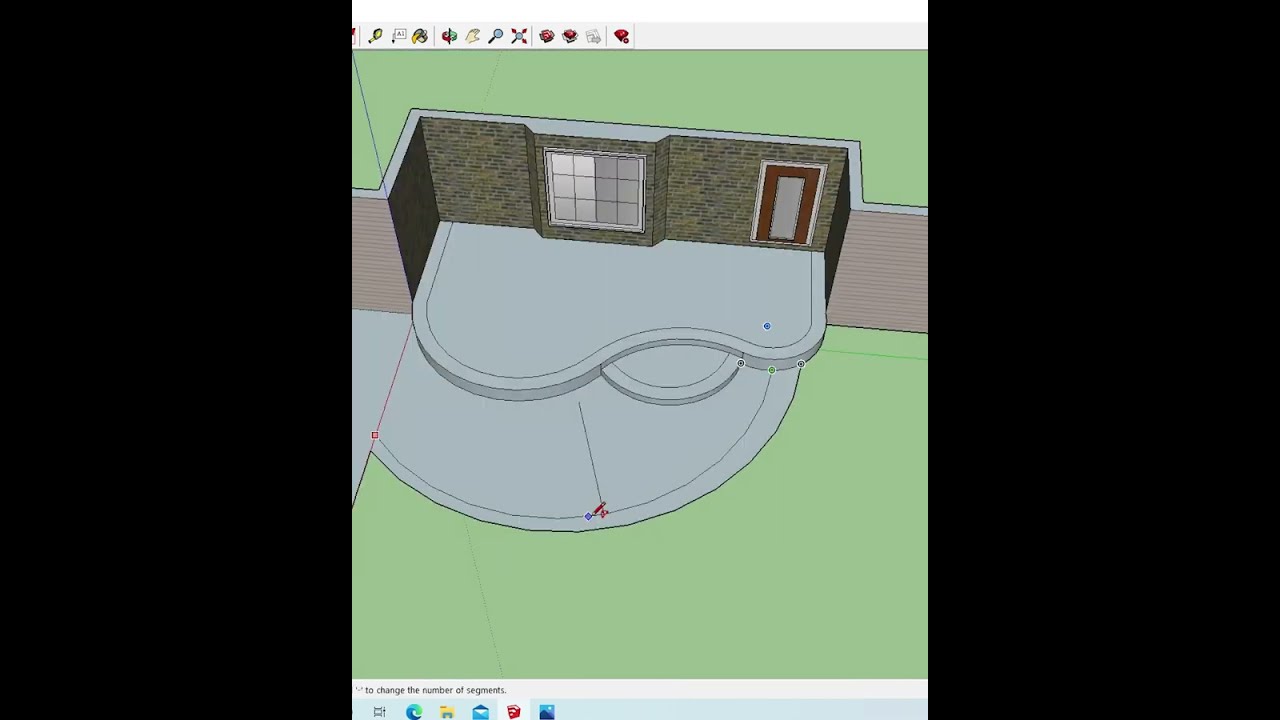
Third, the primary outdoor space. For some homes it is a tiny patio off the kitchen. For others, it is a side lawn or deck. This is where buyers imagine their very own lives: coffee, grilling, youngsters, pets. If this area feels specified, private, and comfortable, the whole residential property feels even more complete.
Commercial sites likewise count greatly on rhythm and rep. As opposed to twelve random plants from a sale rack, they utilize a little combination repeated in groups. That same strategy, related to garden landscape design in a front backyard, looks instantaneously more professional.
The Three Concepts That Make Any Type Of Lawn Look Expensive
Whether you have a new development great deal or a mature home, 3 layout principles are behind practically every successful property landscaping task I have seen: clarity, percentage, and layering.
Clarity suggests that the eye comprehends what it is taking a look at. Beds have sides. The yard has a specified form. The course plainly brings about the front door. You are not compeling site visitors to guess which method to go, or where the lawn ends and the neighbor's begins. Simple adjustments like strengthening a bed line or installing a crisp edge can develop quality without adding a solitary brand-new plant.
Proportion has to do with equilibrium between home, plants, and open room. Tiny hedges spread in front of a two-story facade make your house look larger and extra imposing. On the other hand, looming evergreens crammed against a one-story cattle ranch can make it look buried. A guideline: at least some plantings ought to match or exceed the height of the home windows they mount, while others remain listed below sill elevation to maintain glass visible.
Layering makes a landscape really feel lavish without necessarily including a lot of maintenance. Rather than one line of hedges embracing the structure, assume in 3 tiers. Taller structural plants at the back, mid-sized hedges in front of them, and reduced groundcovers or perennials at the front edge. Also if each layer utilizes simply 1 or 2 plant kinds, the staggered elevations develop depth.
When those three concepts line up, even budget plan products begin to look intentional.
Fast, High-Impact Improvements You Can Do Within a Week
Some jobs call for hefty landscape construction. Many do not. Over the years, I have seen homes change their aesthetic charm in just a long weekend by targeting a handful of calculated items.
Here is a short, practical list that frequently creates outsized outcomes:
Define and tidy all bed edges: Utilize a spade or edging device to cut a smooth contour or straight line where lawn satisfies growing beds, after that remove encroaching grass. Refresh compost: A fresh 2 to 3 inch layer, in a consistent shade, promptly conceals bare dirt and merges different plantings. Trim or get rid of trouble hedges: Anything blocking windows, looming paths, or dead in the center should be trimmed difficult or replaced. Upgrade the front door zone: Add two significant containers with straightforward, healthy plants, tidy or paint the door, and make certain the hardware and home numbers are visible. Install basic path and entrance lighting: Low-voltage or solar fixtures that light up steps and the front entrance commonly return extra value in viewed safety than in pure aesthetics.Each of these tasks is convenient for a property owner with standard tools. Together, they make the building really feel taken care of, which is specifically what buyers and appraisers react to.
Where Landscape Construction Supplies Actual ROI
Not every hardscape task settles. I have actually walked residential or commercial properties where the owner put money into an elaborate water function while the driveway fell apart and the front stroll was so slim that guests had to walk file. Those selections hardly ever excite buyers.
When considering landscape building and construction, prioritize function and long-term longevity prior to frills.
Front sidewalk and actions come first. If the path is as well narrow, damaged, or awkwardly straightened with the driveway, upgrading it is normally cash well invested. A straight, secure, 4 to 5 foot vast path with a mild quality feels generous and makes moving furniture, infant strollers, or wheelchairs easier. Product matters much less than problem, yet regular products that suit your house style offer an extra polished look.
Patio or terrace area is the second major possibility. A little but strong patio area, sized to pleasantly hold a table and chairs or a lounge set, often beats a large yet badly thought-out piece. For a regular single-family home, 150 to 300 square feet of hard surface area is frequently adequate to feel like an "exterior space" without frustrating the yard.
Retaining walls and quality adjustments are extra technological, however they can unlock unusable slopes and boost water drainage. If your backyard is a hillside that no one utilizes, an appropriately crafted small preserving wall surface with a degree balcony ahead can transform "wasted" land right into a selling point. Here, collaborating with an expert that recognizes both landscape style and structural requirements is crucial, since a stopped working wall surface can harm value.
Driveway resurfacing is an additional quiet winner. A driveway with clean edges, no major splits, and a proper size for the community frameworks the whole property. Simple border plantings or a refined paver band at the access can raise the appearance without a full reconstruction.
The usual thread is this: if an item of landscape building fixes a useful Check out here issue and visually tidies up a noticeable location, it is most likely to include even more to your home's worth than an uniqueness feature concealed in the backyard.
Residential Landscape design Blunders That Quietly Kill Value
After enough site gos to, particular patterns repeat. The same handful of mistakes appear in backyards where proprietors have plainly spent time and cash yet still struggle to obtain a strong list price. Understanding these challenges allows you prevent them prior to you invest.
Here are the ones I see frequently:
Overplanting near to your home: Homeowners stuff too many hedges right versus the foundation, which after that outgrow the space, block home windows, trap moisture, and produce insect concerns. Buyers see job, not charm. Random plant collections: Beds packed with one-of-everything from yard center impulse buys lack cohesion. The outcome feels messy, no matter just how healthy and balanced the plants are. Ignoring scale in hardscape: Tiny outdoor patios floating in huge lawns, or massive concrete locations attached to little homes, visually battle with your house and waste potential. High-maintenance showpieces in low-maintenance areas: A lawn that demands weekly great pruning and watering in a neighborhood of simple, turf-heavy great deals can be a liability. Buyers review it as future effort and expense. Neglecting side lawns and changes: Overgrown side yards, uncomfortable steps in between rooms, or missing out on entrances develop friction in day-to-day usage and mean concealed upkeep problems.Most of these errors are reparable without beginning again. Sometimes it is as easy as eliminating 20 percent of the plant material and improving beds, or including one connecting path that connects front and back together.
Garden Landscape design That Feels Elegant, Not Laborious
A typical concern is that more elaborate yard landscaping means even more job. It can, but it does not have to. The secret is to separate visual complexity from upkeep complexity.
Repeating a couple of plant types in intentional patterns offers you an abundant appearance with less initiative. As an example, combining one evergreen shrub with one blooming shrub, then making use of a single groundcover and two or three perennial selections in front, can develop a layered border along a whole front facade. To a laid-back onlooker, it looks plentiful. To the individual keeping it, it is a matter of recognizing and caring for 5 or six acquainted plants.
Seasonality is likewise vital for perceived worth. Customers walk homes in all type of climate. Aim for at least one structural evergreen aspect in every major sight, so the yard does not go aesthetically level in winter months. Then, stagger plants that come to a head at various times: early springtime bulbs, mid-season perennials, and late-season decorative grasses or shrubs with autumn color.
Where possible, choose plants that match your environment and soil as opposed to requiring high-maintenance species. In many more recent residential areas, I see homeowners battling constant battles with thirsty lawns and fragile flowering trees that are improperly suited to their problems. The yard looks worried, which reviews as disregard. Well-chosen, drought-tolerant plantings that actually flourish will always look more costly than having a hard time "expensive" plants.
If you are not sure where to begin, walk close-by commercial residential or commercial properties that look good year-round. You will discover that several count heavily on challenging, repeatable plantings. Adapting that values to a domestic scale, after that softening it with a few personal touches, strikes a good equilibrium in between gloss and personality.
Matching Landscape Design to Your Particular Home
No solitary style fits every residential or commercial property. The most useful domestic landscaping respects the design of the home and the character of the neighborhood, then includes a bit of distinction.
For a standard residence, proportion around the entry usually functions well. Matching structure plantings on either side of the front door, a focused course, and equally spaced bushes produce a feeling of order. Bent bed lines at the lawn edge can soften the rule so it does not really feel stiff.
Modern or contemporary homes normally gain from cleaner lines and even more structural growing. Rectangle-shaped beds, grasses, and bold masses of a solitary plant kind can highlight the architecture. In these setups, landscape construction choices like put concrete, large pavers, or crushed rock bands often make even more feeling than rustic flagstone.
Cottages and bungalows frequently wear looser, a lot more mixed planting styles well, however the same rules concerning clearness and proportion still use. You can have a front yard full of flowers, as long as there is a clear path, visible front actions, and plants that grow no taller than home window sills where sights matter.
In any kind of case, walk to the contrary side of the street and look back at your house with fresh eyes. Notification where your eye stops first. Ask what 1 or 2 changes would most strongly enhance that very first view. Typically it is not extra planting, yet much better structure: a centered path, a tidier tree cover, or a correctly scaled hedge on each edge of your home to visually anchor it.
Borrowing from Industrial Landscaping for Upkeep Efficiency
Commercial landscapes are developed to be kept at scale. Teams require to relocate swiftly, and homeowner desire foreseeable prices. You can bring several of that assuming home without compromising charm.
One method is organizing plants by water and light demands. This permits you to irrigate or hand-water a lot more efficiently instead of babying one thirsty plant in a completely dry edge. It also improves plant health and wellness, which is the real chauffeur of aesthetic quality.
Another tactic is reducing unpleasant trimming. If you find yourself regularly hacking bushes far from sidewalks or windows, the plants are in the incorrect place or the wrong dimension. Commercial websites usually count on plants that normally remain within set height and size arrays, particularly near access and courses. Picking compact varieties for tight locations in your home decreases both labor and the "butchered" look that comes from continuous heavy pruning.
Mulch is another area where business criteria can aid. Consistent compost depth suppresses weeds and secures soil, but overdoing it around tree trunks or piling it against house siding produces issues. Target 2 to 3 inches in beds, pulled back a few inches from stems and trunks. One or two extensive mulch refreshes annually is generally enough if you stay up to date with place weeding.
Finally, basic accessibility routes matter. If your side gate sticks, the pipe bib is buried behind bushes, and there is no clear way to bring devices right into the backyard, you or your contractor will eventually reduce edges. Commercial landscapes are outlined with maintenance accessibility in mind; take into consideration the very same when putting new beds or hardscape.
When to Bring in an Expert, and Exactly How to Deal with One
Not every job requires a landscape designer or designer, but specific situations gain from specialist input.
Complex grading, water drainage issues, retaining walls over a certain height, and substantial changes to driveway or walkway alignment should not be improvisated. Experts learnt landscape layout and landscape building recognize neighborhood codes, soil habits, and long-term durability. A couple of hours of consulting or a basic layout strategy can easily conserve you from costly adjustments later.
If you do hire assistance, be clear concerning your concerns. As an example, inform your developer that resale value and reduced maintenance are more crucial than a showpiece design. Inquire to describe trade-offs: which functions are nice-to-have versus essential. Good professionals respect budget and function as long as aesthetics.
On smaller sized jobs, take into consideration a hybrid approach. You may pay for a scaled concept plan that lays out plant masses, paths, and main features, after that set up in phases in time. This keeps the layout systematic, also if the job occurs in stages.
Whether you bring in outdoors aid or do every little thing on your own, maintain one leading question in mind: will this transform make the residential property simpler and a lot more pleasant for the next owner along with for me? When the answer is yes, you are normally on the right side of the value equation.
Keeping the Worth You Just Created
A wonderfully executed landscape can lose its edge in a season if nobody addresses it. Fortunately is that regular treatment, done regularly, preserves the majority of the value without eating your weekends.
Think in terms of a basic, repeating rhythm:
Spring is for cleanup and preparation. Get rid of winter damage, edge beds, cut back perennials, and rejuvenate mulch where it has actually thinned. Check irrigation or tube accessibility early, before hot weather arrives.
Summer is for keeping an eye on and light touch-ups. Focus on targeted watering, area weeding, and maintaining courses and entries clear. Readjust any plantings that are clearly failing rather than nursing them for years.
Fall is for editing. This is the time to remove tired annuals, slim or divide disordered perennials, and analyze which hedges are too huge or badly placed. Growing in autumn likewise offers lots of shrubs and trees a much better start.
Winter is for preparation. Stroll the residential property, note gaps in winter months framework, and think about which small upgrades could make the most significant visual difference next year.
When you come close to residential landscape design as a living, taking a breath component of the residential property's value, not just a static decor, it becomes much easier to justify tiny, stable financial investments. In time, those investments substance, and by the time you prepare to sell, your backyard is not a project purchasers worry about, however an asset they aspire to pay for.