Stand in any type of effective outside area enough time and you discover the exact same silent fact: it is never ever simply the plants, and never just the stone. The convenience of a courtyard, the dignity of a corporate entrance, the tranquility of a household yard all originated from the conversation in between hardscape and softscape.
Getting that equilibrium right is where landscape design quits being attractive and starts being practical, resilient, and successful. Whether you are preparing industrial landscaping around a hectic healthcare campus or a small piece of property landscape design in a back garden, the very same concepts apply.
This is not a 50/50 formula. The ideal mix depends upon environment, use patterns, upkeep capacity, and budget plan. After years of strolling websites after the professionals have actually gone home, I can state that mistakes often drop on one side of the range: way too much hardscape that bakes, or too much softscape that stops working under real use.
Let us damage down how to consider each, and much more significantly, just how to make them work together in real landscape construction projects.
What we actually suggest by hardscape and softscape
In practice, most clients recognize hardscape as "the built things" and softscape as "the green stuff". That is stone's throw off, yet the information matter.
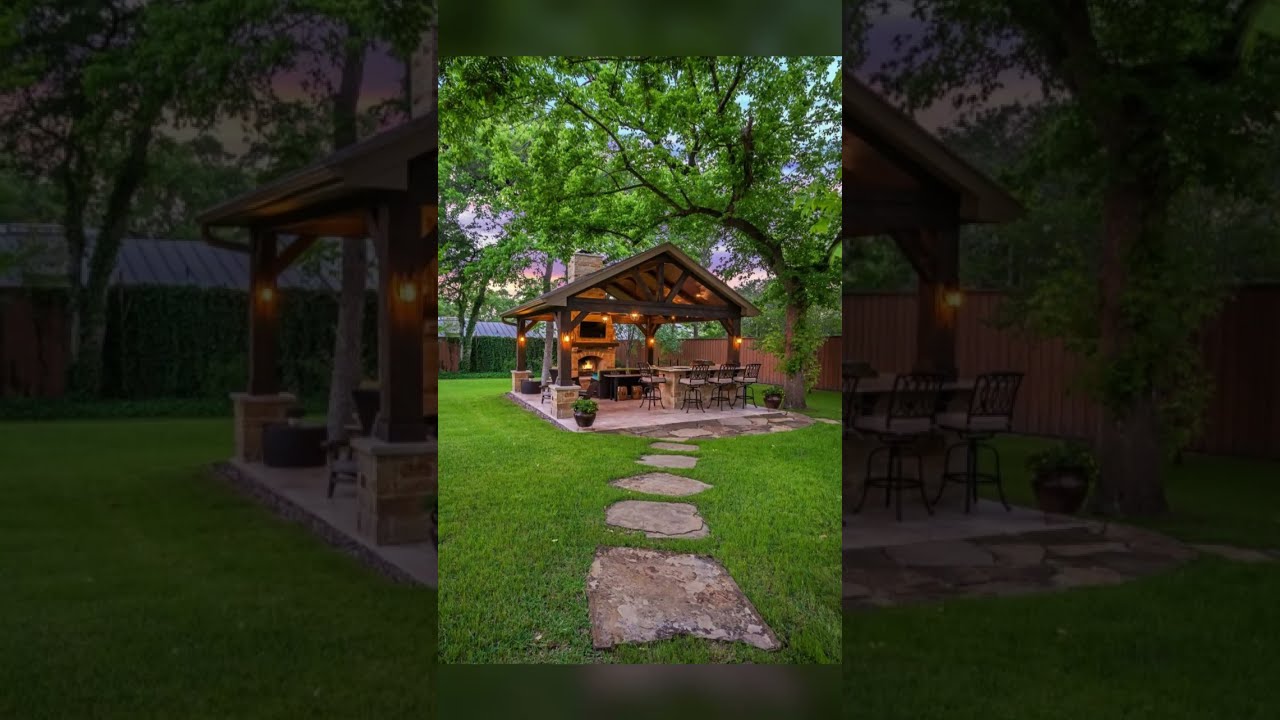
Hardscape covers the non-living, constructed aspects that provide framework and availability to a website. Think sidewalks, wall surfaces, stairways, decks, edging, planters, water functions with noticeable framework, pergolas, exterior kitchen areas, fire pits, bollards, and site furniture. In business landscaping, it also includes filling locations, service courts, accessible ramps, and occasionally facilities covers that need to lug traffic.
Softscape is every little thing living or once living that grows or breaks down. Trees, hedges, perennials, lawn, groundcovers, yearly display screens, ornamental yards, creeping plants, and the soils and mulches that support them. In garden landscape design, this is often where the emotional experience lives, however it still has a bluntly useful job: shade, screening, stormwater management, cooling, and habitat.
A basic rule of thumb: if it is put, led, mortared, toenailed, or bolted, it is hardscape. If it is grown, trimmed, or trimmed, it is softscape.
On well performed websites, hardscape establishes the pattern of blood circulation and use, while softscape moderates climate, softens sides, and brings seasonal change.
How hardscape drives function and cost
Hardscape is generally the cost chauffeur in landscape building. Concrete, rock, and structural components need knowledgeable labor and mindful subgrade prep work. When installed, they additionally define exactly how people will certainly relocate and collect. If that pattern is incorrect, no plant combination can conserve the space.
Performance and durability
In industrial landscaping, performance requirements are not optional. A plaza that looks beautiful yet can not manage snowplows, shipment carts, and daily foot website traffic will certainly stop working within a couple of seasons.
On jobs I have worked on, changing from a slim attractive paver system to a thicker, much more robust system with an enhanced base included 8 to 12 percent to the hardscape spending plan. It likewise prevented heaving and failures that would have set you back much more to repair. Comparable compromises occur anywhere: a cheaper keeping wall surface system could look fine on day one but begin to move after a few frost cycles.
For property landscape design, longevity is still essential, but the scale of use is various. A driveway that sees 4 cars and truck activities a day can make use of a different information than a health center loophole roadway. Yet even little spaces suffer when the hardscape is underbuilt. Pavers that lip, actions that change, or decks that jump make daily usage really feel uneasy.
Accessibility and safety
Hardscape is where legal representatives begin reviewing drawings. Inclines, hand rails, touchdowns, nosing details, and appearances should comply with accessibility codes and security requirements. A great landscape developer recognizes the numbers yet likewise recognizes human comfort.
For instance, a ramp at the optimal lawful incline might pass assessment, yet really feel steep and awkward to older users. Including an added touchdown or lengthening the run can transform a technical minimum into a really easily accessible route. That impacts grading, wall elevations, and budgets. Neglecting it produces legacy headaches.
In high traffic industrial landscapes, non-slip textures, appropriate lights, and clear edges at staircases and visuals are non-negotiable. Hardscape errors below come to be trip dangers and claims.
Heat, glare, and runoff
One of the most usual overreactions in contemporary projects is to pave virtually everything and afterwards sprinkle a few planters as a second thought. You can see the cause numerous business courtyards and city plazas: hot, intense rooms that rest vacant on summer season afternoons.
Hard surfaces absorb and re-radiate warmth, boost glow, and speed up stormwater drainage. Light tinted pavements can reduce absorbed heat yet can raise glow. Dark pavements prevent glow but heat up. The treatment is hardly ever a different paver alone; it is typically a change in the hardscape to softscape proportion, with even more color, more growing pockets, and extra permeable surfaces.
In residential yards, the exact same concern appears in "all outdoor patio" back gardens. They picture well the very first year but really feel harsh and exposed. Without trees, large hedges, or planting beds, there is nowhere to retreat from sun or spying eyes.
What softscape adds that hardscape never ever can
If hardscape establishes the bones, softscape brings the lifeline. The more time you invest observing fully grown landscapes, the much more you see that plants bring a huge lots of concealed work.
Environmental performance
Plants take care of jobs that concrete can not: filtering system air, taking in stormwater, cooling via evapotranspiration, and holding dirt in place.
In industrial landscapes, a well made growing system can dramatically lower the burden on storm drains. Ingrained turfs, bioswales, and rain yards obstruct and reduce drainage. On one company university project, expanding planting beds and changing grades to hold water on website allowed us to shrink the size of underground storage structures and conserve real building and construction dollars.
Street trees in parking lots can decrease surface temperature levels by numerous levels. That equates to far better comfort for visitors and less warmth tension on vehicles. It additionally aids meet regulatory needs in some jurisdictions where shade over auto parking is mandated.
Human convenience and psychology
People reply to plants in a manner they never do to stone. Shade from a deciduous tree can make a plaza usable for twice as many months of the year. A bush of evergreens along a home line can mask website traffic noise and display uninviting views. Blooming hedges and perennials tune the emotional tone of a room, from calmness to vibrant.
Garden landscape design at a residential range is frequently where this becomes most evident. I have seen little country yards changed by nothing more than three effectively put tiny trees, some split hedge growing, and a compost bed that reclaims room from simple turf. The hardscape itself barely changed, however the experience did.
Flexibility and evolution
Softscape is never ever ended up, which is its biggest strength. Plants grow, fill out, and can be modified or changed as demands change.
A building owner may determine to tighten safety and security and add fence; plants can be reconfigured to incorporate those adjustments. A household customer could determine they desire a lot more veggie beds or a backyard. Growing locations can be sculpted, expanded, or converted with much less disruption than moving wall surfaces or destroying concrete.
This living adaptability does feature a price: maintenance.
Maintenance: the lengthy game that ought to drive the design
When clients struggle with the hardscape vs softscape balance, maintenance is normally where the choice goes sideways.
A reduced maintenance landscape is not a no maintenance landscape. It is merely one where the jobs and regularity are reasonable for individuals that will certainly deal with it.
On a business property, you might have an upkeep agreement with clear line items: trimming cycles, trimming gos to, clutter pickup, seasonal shade modifications, and watering checks. If the style needs once a week deadheading of thousands of perennials yet the contract covers only monthly brows through, something will certainly fall short. Either the plants or the expectations.
Residential landscaping is typically even more delicate in this regard. Several property owners love the concept of lush planting, however just have time for periodic weeding and seasonal cleaning. A designer who recognizes this will lean on challenging, sluggish expanding shrubs, groundcovers that knit together, and trees that do not go down untidy fruit everywhere.
It deserves specifying simply: using more hardscape does not always lower upkeep. Smooth surface areas stain, crack, and need snow and ice monitoring. A stretching smooth yard can cost more annually to keep tidy and risk-free than a smaller sized smooth area bordered by growing that catches dirt and moderates ice formation.
The sensible strategy is to match plant schemes, thickness, and bed sizes to the actual upkeep ability, and after that allow hardscape get the continuing to be program.
Common missteps in balancing tough and soft elements
Across commercial and residential jobs, the same patterns show up once again and again.
First, the "parking area with planters" problem in industrial landscaping. Big seas of asphalt or concrete, stressed by small tree islands that can not sustain healthy origins. Trees battle, die back, and are replaced every few years. This originates from giving hardscape the whole spending plan and treating plants as decorative.
Second, the "arboretum on a postage stamp" trouble in domestic backyards. Every square meter full of different plant varieties, no clear framework, and slim pathways. It looks lush for one season and after that becomes a maintenance nightmare.
Third, the "afterthought blood circulation" error, where the designer loads the strategy with growing and afterwards threads a narrow path in between beds. Being used, individuals cut corners, create need lines in the turf or mulch, and the planting is trampled.
Fourth, the rough courtyard, often part of institutional or corporate university design, with huge smooth pads, couple of trees, and planters just along the edges. The intent is versatility for events, however the outcome is a room that nobody makes use of on regular days.
Each of these originates from leaning as well far in one direction without asking how individuals will really relocate, rest, and keep the area over 10 or twenty years.
Hardscape and softscape as a single circulation system
A valuable method to think of equilibrium is to check out the entire landscape as a circulation and use system, not as separate "paving" and "planting" drawings.
Start with desire lines. Where do people need to go, and just how usually, and in what numbers? High frequency courses, like the path from a car park to a primary entryway, are entitled to durable hardscape with adequate width, lighting, and clear sightlines. Lower frequency paths can be narrower, less official, or perhaps just supported crushed rock or tipping stones.
Softscape then shapes and overviews these courses. High shrubs steer people without fencing. Tree positioning structures entrances and sights. Groundcovers and low planting signal "do not walk right here" better than signage.
On a combined usage industrial website I serviced, changing tree and hedge placement along an additional walk reduced shortcutting throughout growing beds by practically entirely, with no included obstacles. We did it by aligning plant massing with all-natural strolling preferences, making the right path feel much shorter and even more obvious.
In residential gardens, flow is often even more intimate. The course from kitchen area door to natural herb yard, the route around the side yard to containers, the method youngsters range from outdoor patio to lawn. Hardscape needs to sustain those routines with practical sizes and risk-free surfaces, however planting can introduce modest detours or compressions that make little rooms feel bigger and even more interesting.
Climate and context: why region matters more than trend
Landscape design fads commonly neglect climate facts. You can see marginal gravel yards duplicated from Mediterranean climates right into cool, wet areas where they https://giphy.com/channel/duftahcpve turn into icy skating rinks and drain frustrations. Likewise, lavish, high water gardens hair transplanted into arid areas where irrigation is restricted.
In warm, completely dry climates, hardscape surface areas warmth swiftly, so shielding and evapotranspiration from plants are critical. Softscape needs to be utilized strategically near seating areas, constructing entries, and along significant strolls, with drought tolerant varieties that can deal with reflected warmth. Absorptive sidewalks and light tinted surfaces help, however without plants to cool the air and break up wind, convenience will certainly suffer.
In cold climates, freeze-thaw cycles are harsh on hardscape. Buying proper base preparation, drain, and expansion joints is not optional. Softscape plays a various duty below: snow storage, windbreaks, and visual rate of interest in lengthy inactive seasons. Evergreen framework, interesting bark, and basic, maintainable planting beds that can deal with snow lots are better than a vast plant palette.
For coastal or subjected windy websites, high, thick plantings can considerably lower wind speeds, making outdoor patios and entry courts useful a lot more days of the year. Hardscape in these zones requires added treatment on anchoring furnishings and materials that resist salt or sand abrasion.
Context within the area or school additionally matters. On a historic domestic road, hefty use concrete system pavers might feel out of location compared to clay brick or natural rock. In a contemporary office park, the reverse may be real. An excellent designer respects these hints while still fixing practical needs.
A sensible contrast: when to lean harder on each
Used well, hardscape and softscape interlock. It helps to think in terms of emphasis rather than opposition.
Here is a compact way to compare where each shines most plainly:
- Hardscape is leading where you need framework, accessibility, and clear usage: access and forecourts, main pedestrian courses, vehicular areas, stairways and changes in quality, balconies and outdoor spaces that have to sustain furniture and hefty use. Softscape is leading where you need convenience, mitigation, and character: screening in between usages or buildings, microclimate control (color, wind decrease, cooling), stormwater management functions, environment and biodiversity, and aesthetic softening of developed form.
Balancing them implies letting each do the job it is best at, while staying clear of the lure to make one solve everything.
Designing for various project types
The equilibrium frequently changes by task type.
Commercial landscaping
On industrial jobs, hardscape typically holds a bigger share of the budget plan due to the fact that blood circulation, access, and sturdiness are extremely important. Yet the tasks that age with dignity are the ones where softscape is not pressed as an afterthought.
Think of the entrance series to a corporate HQ. A charitable, non-slip sidewalk, clear automotive drop-off, and robust actions manage the day-to-day tons. Huge canopy trees give shade over drop-off and vehicle parking. Layered growing separates pedestrian areas from car zones without feeling cage-like. Seating areas are tucked into planted particular niches instead of excluded in hot, subjected plazas.
For medical care, hospitality, and college, outside areas usually play a therapeutic or social duty. Here, buying rich, but maintainable growing pays returns in individual fulfillment. The trick is to collaborate with maintenance personnel early, align plant choices with existing teams' capacities, and avoid delicate, high-touch growings in extreme microclimates like solution lawns and primary drop-offs.
Residential landscaping
Residential tasks have much more psychological material. House owners typically show up with photos conserved from magazines or social media sites, revealing rich yards or sleek rock balconies. The job is to equate those pictures into something that fits the website, spending plan, and lifestyle.
For a small city yard, a moderate hardscape footprint typically functions ideal: one well sized balcony for dining and lounging, a clear path to storage or side accessibility, et cetera dedicated to split planting that offers privacy, environment, and all year passion. Trying to pack several little patios typically feels fussy and eats right into planting space.
In bigger rural great deals, hardscape can organize zones: a primary patio, a fire area, maybe a small outdoor kitchen, and useful courses to vegetable beds or a shed. Softscape knits those pieces together so the lawn feels natural as opposed to like separated islands of rock in a sea of turf.
When clients say they want "reduced upkeep", I often minimize elaborate seasonal mixes and prefer bushes, groundcovers, and well positioned trees, while still scheduling some budget for dirt preparation and watering. Hard plants in great dirt outperform attractive types in inadequate prep work every time.
Simple checkpoints for far better balance
To avoid one of the most common mistakes, I use a brief set of checks late in style. They are quick inquiries that expose inequality before it is cast in concrete.
- Can every key route be walked by a person with limited wheelchair, safely and conveniently, without reducing awkwardly through growing beds or throughout lawn? Is there purposeful color on the major outdoor celebration areas during the hottest hours of the day, given by trees, frameworks, or both? Are there enough planting areas, with enough soil deepness and quantity, for trees and shrubs to grow without constant substitute, specifically in auto parking and yard environments? Has snow storage space, water drainage, and energy accessibility been thought about to make sure that either hardscape or softscape will not be destroyed by routine operations? Does the maintenance strategy, whether professional crew or homeowner initiative, reasonably match the plant intricacy and hardscape cleansing or snow management needs?
If any type of checkpoint falls short, it is typically a sign that hardscape and softscape are not yet in healthy and balanced balance.
Working with restraints instead of versus them
Every task brings limits: budget, room, existing structures, codes. The balance between hardscape and softscape is rarely about some abstract ideal. It is about making the best use what is possible.
On a tight urban whole lot with high safety and security demands, you may need a bigger hardscape percentage, yet you can still carve out planters at crucial touchpoints: near entries, along seats, at eye level from home windows. In a low budget household work, you may phase the hardscape, prioritizing high quality base job and a smaller balcony, leaving room for future development while loading the remainder with soil and lawn rather than cheap, thin paving that will certainly fail.
On business schools, you may inherit large existing hardscapes. As opposed to ripping every little thing out, including calculated tree openings, elevated planters, and planted berms can soften and cool landscaping pasadena the room without full reconstruction.
What matters most is acknowledging that neither hardscape nor softscape alone creates successful landscapes. It is the adjusted discussion in between stone and soil, concrete and cover, that transforms construction into an area individuals actually use and care about.
When that dialogue is clear in the style, the constructed result feels unpreventable, and the balance between hard and soft seldom calls attention to itself. It simply functions, year after year.