When I first started designing outdoor spaces for clients, the yard felt like a blank page that only pretended to be simple. It’s not. A successful hardscape is a study in restraint: durable materials, precise geometry, and a plan that serves people, weather, and the rhythms of daily life. The best hardscape projects embed themselves into the landscape so well that they disappear when you’re not looking for them and yet reveal their value every time you step outside.
This article walks through the essentials I’ve learned over years of hands-on work—from the first sketches in a notebook to the final seal on a paver patio. It’s not about chasing the newest material or following a trend. It’s about delivering spaces that endure, look intentional, and feel like part of the home rather than an afterthought. If you’re a homeowner planning a retrofit or a contractor seeking a practical framework for a thoughtful build, you’ll find perspectives here grounded in real-world labor, budgeting realities, and the stubborn weather patterns that shape every outdoor project.
A philosophy you can trust
Hardscaping is both art and engineering. The artistic side is obvious: you’re shaping spaces that invite people to linger, entertain, cook, or simply pause and enjoy the view. The engineering side is less glamorous but equally vital. The materials must bear loads, manage water, resist UV degradation, and stay level through years of sun and freeze-thaw cycles. It’s a balancing act between beauty and durability, with a hard-science backbone.
The most durable outdoor spaces start with honest site assessment. I’m talking about more than measuring grade and drainage. It’s about listening to the land: how does water drain after a heavy rain, where does the sun fall during peak season, and which areas tempt heavy foot traffic or potential vehicle movement? The site tells you what to do next. If you listen closely, you’ll hear a quiet pattern that guides decisions about materials, layout, and detailing.
From concept to concrete
The design process usually begins with a clear sense of function. Do you want a quiet retreat, a social hub for family barbecues, or a practical surface that connects the house to a garden or pool? The answer shapes every subsequent decision, from the size of a patio to the type of edging that will keep pavers from shifting with traffic or seasonal movement.
Then comes the rough layout. You don’t need to overcomplicate this phase, but you do want to map sightlines, circulation paths, and focal points. The easiest way to think about it is to imagine a living room that lives outside. You’ll want comfortable flow, zones for different activities, and materials that transition smoothly from indoor thresholds to exterior spaces.
A critical moment in the design is choosing a material family. Pavers, stone, concrete, and timber each tell a different story and come with distinct maintenance profiles. The decision isn’t solely about price; it’s about performance in your climate, ingestion of water, slip resistance, color retention, and the long-term pattern you want to see on the ground. If you live where winters are harsh, for example, you’ll prioritize materials with strong freeze-thaw resistance and compatible joint systems that resist cracking.
Material choices and how they age
Pavers are the most versatile workhorses of residential hardscaping. They’re forgiving of minor subgrade irregularities, easy to replace in small sections, and available in a broad range of textures and colors. Interlocking pavers bring a sense of tactility and a natural drift to the surface, but they require attention to setting bed and joint materials to prevent movement. Brick pavers offer a classic, timeless look, though they can be more sensitive to sun and moisture. Concrete pavers strike a balance between a modern aesthetic and durability, especially when designed with proper edge restraints and a solid bed underneath.
Natural stone surfaces—flagstone, slate, or fieldstone—carry a timeless character. They’re often more expensive and heavier to install, but they age gracefully and weather into a patina that many homeowners find appealing. The downside is variability: natural stone can vary in thickness and color, and installation requires meticulous lifting and leveling to keep the surface safe and slip-resistant.
Concrete is a workhorse for wide areas: driveways, patios, and walkways. When done well, decorative concrete can mimic the warmth of stone or the precision of a modern grid. Stamped or decorative concrete adds design texture and color but depends on proper surface preparation and curing conditions to avoid cracking or fading.
Timber adds warmth and a soft edge to outdoor rooms, but it requires proactive maintenance. Pressure-treated lumber holds up under moisture well, yet it can weather, warp, or split if the subgrade isn’t properly compacted or if drainage is inadequate.
A well-designed site uses a layered approach to drainage and subgrade preparation. The better the foundation, the longer the surface will stay flat and stable. The typical path to a durable result begins with addressing soil quality, then choosing a base system that matches traffic expectations and the local climate. For example, a residential driveway might use a dense graded base with a solid sub-base and control joints that respect freeze-thaw cycles, while a patio in a shaded, damp microclimate could benefit from a slightly coarser base to promote drainage and reduce standing water.
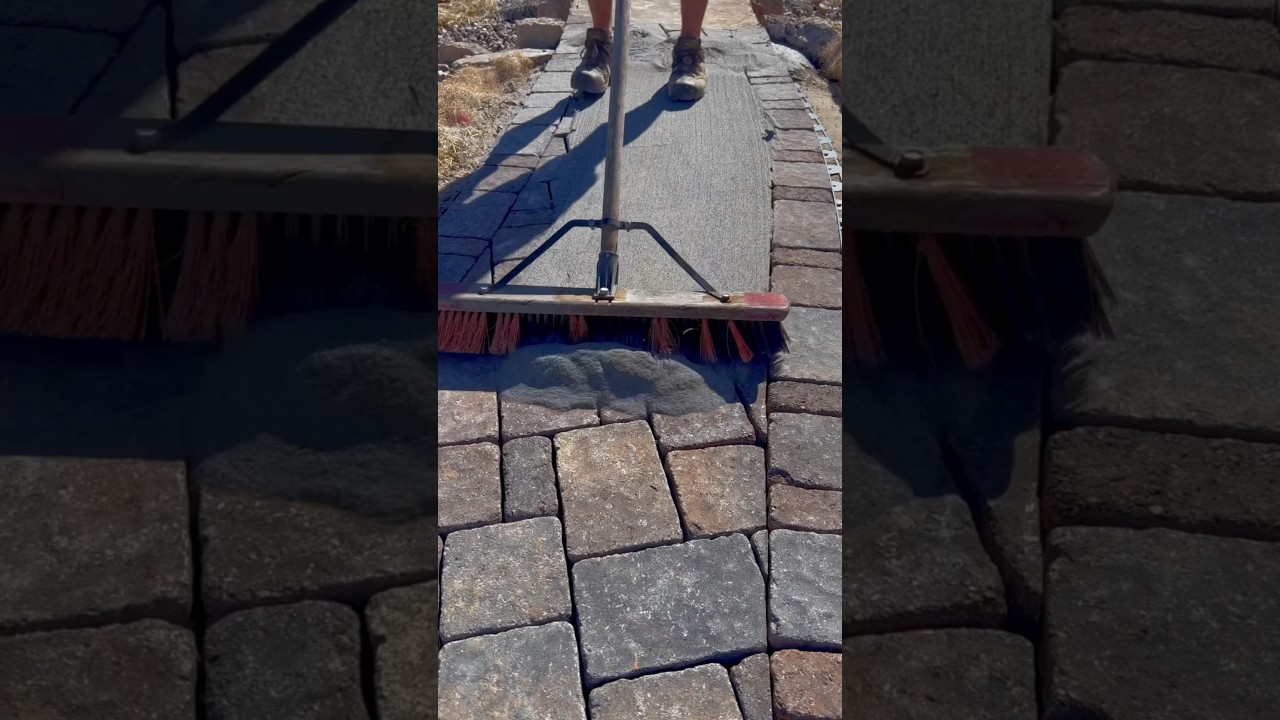
Steady hands on the tools
The installation phase is where plans meet reality. It’s not enough to have a beautiful drawing; you need the expertise to translate the drawing into a level plane, a cohesive pattern, and joints that stay tight for decades. A common mistake is underestimating the importance of edge restraints. If pavers can shift, even slightly, the entire surface can appear uneven within a couple of years. The edge restraint acts like a spine, ensuring the structure maintains its shape under load and weather.
Drainage is another recurring pitfall. Water that pools on a patio or along a walkway accelerates edge erosion, silt buildup in joints, and the growth of moss or weeds that invites further deterioration. A well-designed system uses https://ridgelineoutdoorliving.com/drought-tolerant-landscaping/ a combination of slope geometry, permeable joints, and sometimes sub-surface drainage to move water away from the surface. The goal isn’t to eliminate water completely but to control it enough that it doesn’t undermine the structure or create slip hazards.
In practice, this means meticulous compaction, precise cutting, and careful material handling. I’ve learned to prefer field cuts over factory cuts whenever possible; it reduces waste and allows adjustments to be made in real time. Consistency in thickness is non-negotiable. A half-inch variance across a 400-square-foot patio is enough to create noticeable low spots or high ridges that catch shoes or bike tires.
Maintenance becomes a design feature
A hardscape that ages gracefully doesn’t merely survive; it adapts to life. That starts with planning for maintenance from the outset. The best spaces balance a low maintenance reality with high usability. When I design, I think about how families will interact with the space in five to ten years. Will the surface still invite gatherings after a child’s birthday party or a neighborhood barbecue? Will the joints still read clean after storms and heavy rains? The answers guide decisions about surface materials, sealants, and whether to specify a maintenance plan as part of the installation.
Sealing and joint material choices deserve careful consideration. Sealing concrete or natural stone can protect against staining and efflorescence, but it can also require reapplication over time. Joint materials affect weed growth, color retention, and the ability to keep the surface clean. A well-timed reseal or re-sand can extend the life of a surface by years, but it’s an investment homeowners should plan for, not a surprise expense.
The project’s life after the build matters as much as the build itself. In one backyard project, we installed a stone patio adjacent to a new outdoor kitchen. The design included a low seat wall and a narrow fire pit area to anchor the space. Three years on, the stone has mellowed into a soft gray with hints of warm tan that reflect the sun in the late afternoon. The seating wall still feels solid, the fire pit remains a conversation hub, and the maintenance routine is a simple yearly sweep, a light wash with a garden hose, and a reapplication of sealant to the stone tiles every five to seven years. The predictability of that maintenance turned what could have been a spendy, high-maintenance feature into a dependable, durable focal point that continues to earn compliments.
Durability without sacrificing beauty
The design challenge is to weave durability into beauty without making the surface feel rigid or sterile. The materials you choose should respond to the site as naturally as possible. Color, texture, and scale matter. A small, tight paver pattern can feel intimate in a courtyard, while a larger, more open pattern suits a broad driveway or terrace. The choices you make about color can anchor a space to the home or create a deliberate contrast, depending on the home style and landscape palette.
Beyond material selection, the layout itself can echo sustainable principles. For example, permeable paver systems allow rainwater to infiltrate the ground rather than run off into storm drains during heavy downpours. This approach reduces runoff and supports groundwater recharge while maintaining the welcomes of a formal surface for living spaces. It’s a practical way to blend environmental responsibility with everyday usability, and it often resonates with homeowners who want their home to sit lightly on the land.
Two lists to guide practical decisions
What to consider during planning:
- Site drainage and grading must be understood before a shovel hits the soil. Sub-base and edge restraints should be designed for anticipated loads and climate. Material lifecycle matters: durability, maintenance, color retention, and slip resistance. Transitions between surfaces matter: grade changes that are comfortable and safe for foot traffic. Future maintenance needs should be part of the initial scope and budget.
Common hardscape materials and their trade-offs:

- Interlocking pavers offer flexibility and repair ease, but installation must be precise to avoid shifting. Natural stone delivers timeless beauty and patina but can be heavier and more expensive. Concrete pavers strike a balance of cost and durability with design flexibility. Brick pavers provide a classic look but can require more maintenance in wet or thaw cycles. Timber and composite decking bring warmth to outdoor rooms but demand ongoing maintenance to resist rot and wear.
A practical example from real projects
Last spring I wrapped a front-yard renovation for a family with a modest budget and high expectations. They wanted a welcoming entry to the home, a small courtyard for coffee in the mornings, and a path that connects the garage to the backyard and the vegetable garden. We started with a measured site analysis: the soil was clay-heavy, with poor drainage in the corner where the lawn met the driveway. The plan included a paver walkway of rectangular concrete pavers set in a herringbone pattern, a low stone retaining wall to hold back a sloping bed, and a compact brick patio adjacent to the front door to soften the entry.
We built a compact, well-graded base for the pavers, then installed a proper edge restraint with a control joint every eight feet to allow for seasonal movement. The stone wall used a dry-laid method that allowed for drainage behind the wall and gave the space a tiered feel that visually widened the entry. The brick patio, set on a grid with generous joints, offered a warm welcome that still looked crisp after a wet winter. The project finished with a simple, functional outdoor kitchen counter and a steel perimeter for the garden shed, which kept the look cohesive without crowding the space. When the home’s owners now come home in the evenings, they find the space reads as a curated extension of the living room—functional, inviting, and resilient to weather and daily use.
Designing for tight budgets and tight timelines
Budgeting for hardscape projects is about prioritizing the most impactful elements first. A common strategy is to start with the most used zones and then layer in path connections and decorative features as funds become available. In most yards, the patio is the anchor. A well-sized patio that serves as a social hub will anchor seating groups, a grill, and a dining area, and then you can weave in a walkway to the garden or a path to the front porch. If the budget is especially tight, consider a simpler base and starter pattern with the option to upgrade later. It is much easier to upgrade texture and color than to redo a failed sub-base.
Timeline management matters, too. Weather windows can make or break a project, particularly for concrete or stone installation, which require consistent temperatures and moisture conditions. When you plan, set a buffer for weather delays and have alternate sequences in mind. A common tactic is to complete the base and subgrade while waiting for material shipments or a dry spell, then install the surface once conditions are optimal.
The long view: maintenance as a promise
A hardscape is a long-term investment. It’s reasonable to expect a patio to look fresh for a decade or more if the site is properly prepared, the material is appropriate for the climate, and the joints are correctly filled and sealed. The investment in a maintenance plan should be clear from day one. Offer clients options including periodic resealing, re-sanding joints, resealing stone surfaces, and checking for edge- or base-related movement every few years.
When I price a job, I include a realistic maintenance schedule that aligns with the chosen material. For a paver patio, I estimate joint sand replacement every three to five years and a reseal every five to seven years if the color protection is part of the plan. For natural stone or decorative concrete, I map out a similar rhythm that accounts for color fade, staining, and wear patterns. The goal is transparency: homeowners should know what is expected and when the investment pays off in continued usability and curb appeal.
A note on safety and accessibility
There is no shortcut when it comes to safety. A flat, slip-resistant surface is essential. Patio and walkway grades that drain away from doors reduce the risk of ice and standing water. Widths should accommodate furniture and typical foot traffic, including wheelchairs or strollers when appropriate. Ramps or gentle transitions from door thresholds to outdoor surfaces ensure accessibility without disrupting the visual line of the space. These considerations should be part of the initial design so they’re not retrofitted later as an afterthought.
Working with clients and contractors alike
Clear communication underpins every successful hardscape project. Clients should receive honest assessments about material life cycles, expected maintenance, and the costs of movement or replacement down the road. Contractors benefit from precise, well-documented plans that establish expectations for drainage, base materials, edge restraints, and surface finishes. A collaborative approach—where the homeowner’s lifestyle and the site’s microclimate inform every choice—yields spaces that last and delight.
In my experience, a strong client-contractor relationship is rooted in shared clarity. The contract should detail the scope, the sequence of work, the responsibilities for permit handling or sub-trade coordination, and a realistic payment schedule tied to milestones. It’s not about being rigid; it’s about ensuring everyone has a reliable map that navigates potential surprises, from a buried utility line to an unusually wet spring.
The human factor in hardscape design
Beyond the materials and the mechanics, a successful hardscape is about people. It’s about how a space becomes the backdrop for everyday life—family dinners, quiet mornings with coffee, kids chasing after the dog, and gatherings that stretch into dusk. The design should honor the property’s context, take cues from the surrounding landscape, and offer moments of repose within a daily rhythm. You don’t just build a surface; you create an environment that supports a way of living.
I’ve learned that a durable space isn’t the product of a single perfect decision but a sequence of well-judged choices executed with care. It’s about acknowledging the trade-offs—cost versus longevity, ease of maintenance versus aesthetic complexity, the immediacy of a deadline versus the long arc of weathering and wear. The best hardscape projects lean into those realities rather than pretend they don’t exist.
Final thoughts for homeowners embarking on a hardscape journey
If you’re planning a hardscape, begin with a clear sense of how you want the space to function in daily life. Sketch the flow from indoors to outdoors, identify a few anchor elements, and keep the overall footprint manageable. Think about drainage and edge control from day one. Choose materials not only for their beauty but for their behavior under the local climate and usage patterns. And finally, align your maintenance expectations with reality. The most enjoyable, durable outdoor spaces are those that meet your living needs today and age gracefully into tomorrow.
In the end, the success of a hardscape project comes down to discipline in the details and generosity in the design. If you can balance thoughtful planning, precise execution, and a realistic maintenance plan, you’ll not only create a space that looks right now but a space that continues to feel right for years to come. That is the essence of durable beauty in exterior design.
Business Name: Ridgeline Outdoor Living
Address: 845 E Walnut St, Pasadena, CA 91101, United States
Phone: (626) 469-5822
Ridgeline Outdoor Living
Ridgeline Outdoor Living is a Pasadena-based landscape design-build company serving Greater Los Angeles with custom outdoor living, hardscape, and drought-tolerant landscape solutions. The company specializes in patios, retaining walls, outdoor kitchens, drainage, hillside projects, and turnkey landscape construction, handling projects from design and permitting through final build and warranty.
845 E Walnut St, Pasadena, CA 91101, USA
Business Hours:
- Monday – Saturday: 8:00 AM – 6:00 PM
- Sunday: Closed
Follow Us: