An excellent garden does not require a high-end budget. It needs a clear idea, a bit of perseverance, and smart choice production. I have strolled sufficient residential landscaping jobs where the plants cost less than a solitary designer chair inside your house, yet the garden took the program. The technique is not secret knowledge. It has to do with recognizing where money actually matters and where it does not.
Whether you are brightening a small front backyard or trying to revitalize an exhausted business landscaping strip before a shop, the same principles apply. Spend on structure, minimize design. Usage time and sweat in place of cash. And layout wherefore the garden will appear like in 3 to 5 years, not only what it resembles the day you grow it.
Let us break down how to build or freshen yard landscape design that looks purposefully developed, really feels generous, and stays within a sensible budget.
Start with a straightforward, truthful assessment
The least glamorous part of landscape design is one of the most essential. Prior to picking plants or acquiring pavers, you require to recognize the site and your very own restrictions. I always ask clients 3 things at the start: what do you truly use your lawn for, what are you willing to preserve, and what does the website naturally want to do.
Walk your area with a note pad. Notification where you naturally stand, rest, or walk. Where does water accumulate after rainfall. Which corner obtains baked by afternoon sun. Which area remains moist under a tree. These monitorings guide every budget plan decision that adheres to. If you grow a dehydrated grass in a completely dry, sunny area without any watering, your budget plan will leak away with your water bill.
For a really limited spending plan, deal with every square meter as a price center. Bare soil will eventually require weeding time. Grass will certainly require cutting and water. Hardscape like outdoor patios and paths will certainly demand products and construction. Growing beds will certainly require compost and plants. The goal is not to avoid these, however to designate each location the right task so you do not overbuild.
Decide what needs to be terrific and what can be "adequate"
The fastest method to overspend is to spray cash equally throughout the whole lawn. Strong landscape building and construction concentrates budget plan on vital areas and allows the remainder fade into the background.
Usually, 1 or 2 components deserve one of the most investment:
- A main social location, such as a patio area, deck, or yard where you in fact spend time The first sight from the street or front door, where aesthetic charm sits
Everything else can be simpler and less costly. Utility areas along the side of your house, back edges used mostly for storage, or slim strips by a fence do not need expensive surface areas or plant collections. Gravel courses, compost, and a couple of hard shrubs can lug those zones.
Think of a tiny industrial landscaping project. The store front access, indications, and client pathway need to festinate and well preserved, due to the fact that they interact the brand name. The side packing area can be plain concrete, clipped hedges, and practical lights. The same reasoning works completely at home.
Once you know your "hero" areas, you can make disciplined choices. Spend lavishly on better pavers just for the primary patio, and utilize compacted crushed rock in other places. Invest in a couple of larger trees where they make shade over seating, and choose smaller sized, more youthful plants for history beds.
Use layout, not cash, to develop impact
People often think that expensive products automatically produce a high-- end yard. That is rarely true. Thoughtful landscape layout matters much more than the cost per square foot.
A couple of design habits function especially well on a budget plan:
First, streamline shapes. Curvy beds and zigzag paths are more challenging to construct and preserve. Straight runs or solitary broad curves use fewer cut items, much less bordering, and look cleaner. I have actually restored several unpleasant, wavy growing beds right into easy rectangular shapes, then loaded them with budget friendly plants. The outcome looked modern and cost less.
Second, repeat plants. Purchasing one of everything produces a chaotic, "plant collection" sensation. Rather, choose a small palette and utilize each plant in teams of 3, five, or a lot more. Baby rooms commonly discount apartments or landscaping pasadena multiple systems of the exact same plant, and massing them has more aesthetic power than spreading singles.
Third, use contrast without elegant products. Dark mulch versus light paving, fine-textured grasses beside bold, broad-leaf shrubs, upright aspects near ground-- embracing plants. These contrasts make even raw materials look intentional.
Fourth, style for the sight from inside. You spend even more time looking at your garden from home windows than standing in it. Structure at the very least one strong feature in each major sight. It can be as simple as a grown pot, a small tree, or a gravel yard with a bench. When indoor views look considered, the whole job really feels richer.
Prioritize bones: framework prior to decoration
Professional landscapers discuss the "bones" of a yard. These are the elements that offer form and durability, like trees, hedges, primary courses, and maintaining walls. On a limited budget, this is where you aim any kind of serious spending.
I urge homeowners to illustration their garden in layers. Initial layer: circulation. Where do you walk, roll a trash can, or press a lawn mower. Second layer: structure. Where are the main upright elements such as trees, fencings, or displays. Third layer: soft growing that fills up the gaps.
If your spending plan is limited, obtain the initial and 2nd layers right and approve that the 3rd layer will complete slowly. It is far much better to have a basic, solid course system and 3 well positioned trees than a backyard full of little plants without any clear layout.
When planning framework on a budget plan, believe long-term. Select young trees in 5 or 10 gallon containers instead of mature specimens. A 10 gallon tree might set you back one-- 3rd as long as a 24 inch box, and in 5 years the dimension distinction typically discolors. The exact same relates to bushes. Acquire smaller sized plants, plant them closer, and provide time.
Smart plant options that save money twice
Plants impact your budget plan twice: what you pay to mount them and what you spend to maintain them alive and nice. Low-cost plants that pass away or demand consistent treatment are extra costly over time than a little more expensive, tougher species.
For yard landscape design on a budget, seek plants that:
Grow well in your climate without hefty indulging. This may seem apparent, yet many backyards struggle due to the fact that a person got based on a glossy image instead of local problems. Utilize your regional extension solution suggestions, or stroll older areas and notification which hedges and trees look healthy and balanced without obvious irrigation.
Provide a long period of interest. For instance, a shrub with flowers in springtime, glossy vegetation in summer, and great loss color gives worth throughout months. Decorative lawns that look good from summer with winter months illuminate a lawn at low cost.
Spread or self-- seed moderately. A few of my favorite budget plan plants are those I can separate every two or 3 years to make even more plants totally free. Daylilies, numerous ornamental turfs, certain salvias, hostas, and sedums all react well to department. Simply prevent aggressive spreaders that end up being invasive.
Hold their form without constant pruning. Clipped balls and limited hedges look great, yet they require time or cash for trimming. Naturalistic kinds like water fountain turfs, freely mounding hedges, or groundcovers reduce that maintenance.
For warm, completely dry regions, drought-- forgiving planting is particularly important. A low water property landscaping scheme that uses indigenous shrubs, succulents, and Mediterranean varieties will certainly frequently cut your water expense substantially, especially if you are changing lawn.
Soil, mulch, and the quiet power of preparation
I typically tell clients that spending 10 to 20 percent of the planting budget plan on soil renovation and mulch is non-- flexible. It feels less interesting than purchasing flowers, but it pays off in survival rates and growth. Poor dirt indicates more fertilizer, even more water, and much more plant replacements.
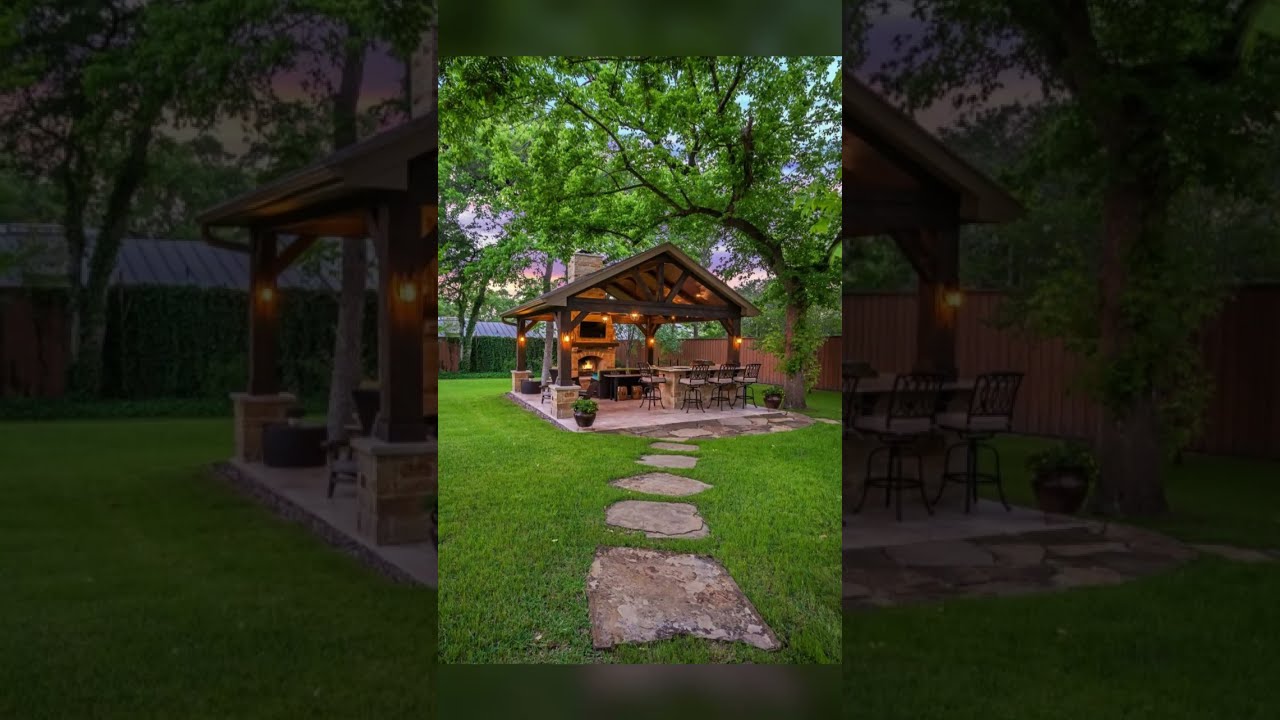
If you can do just 3 preparatory jobs, concentrate on this brief series:
Remove deep weeds and roots extensively in any kind of brand-new bed. Skimping here indicates years of battling them later. Loosen compressed dirt at the very least one spade deepness, and mix in organic matter like garden compost if your native soil is poor. After planting, add a 5 to 7 cm layer of mulch, keeping it slightly away from stems and trunks.Mulch is just one of the cheapest, hardest-- working tools for budget yard landscaping. It decreases weeds, keeps wetness, moderates dirt temperature, and aesthetically unifies beds. Dark shredded bark, timber chips, or perhaps crushed rock in the ideal context can make young, spaced-- out plants look deliberate as opposed to sparse.
If your spending plan is extremely tight, search for metropolitan mulch programs that supply cost-free or affordable arborist chips. They may not be as consistent as bagged products, but also for back beds and trees they work extremely well.
Hardscape: where to save and where to stand up to shortcuts
Hardscape typically consumes the most significant share of a landscape construction spending plan. Paving, decks, wall surfaces, and increased beds need products and labor. Below strategy matters greater than any type of various other category.
You can often conserve considerable cash through these techniques:
Use less materials, more constantly. Rather than incorporating three or four sorts of stone, adhere to one cost effective choice made use of well. Concrete pavers, compressed gravel, or straightforward poured concrete can all look sharp with great detailing.
Reduce the total area of costly paving. Do you need a complete 40 square meter outdoor patio, or would certainly 20 square meters plus a crushed rock expansion work. Numerous family members events occur around a table, not across a big expanse.
Choose simple edges and straight lines. Curved keeping walls, radial paving patterns, and complicated steps all raise labor time. Straight paths and rectangle-shaped patios are much easier for do it yourself and for professionals.
For real budget jobs, compacted gravel or decomposed granite courses and sitting locations are frequently the wonderful area. They drain pipes well, feel positive underfoot, and price far much less than stone or concrete. The trick is great base prep work and bordering, or else they can spread right into nearby beds.
One care from years of repair work: do not jeopardize on the base beneath any kind of paving or wall surfaces. A slim, badly compressed base is less costly on day one, however brings about heaving, sinking, and fractures that cost more to repair than doing it right the first time.
Phasing: construct your garden in planned stages
Most individuals can not pay for a full landscape overhaul in a solitary period. That does not imply you have to deal with turmoil. A phased plan lets you shape a meaningful yard over 2 to 5 years, and it is precisely how many commercial landscape design jobs deal with large sites.
Phase one usually takes on framework: grading, drain, primary courses, and any kind of needed walls or utility lines. Also if this phase leaves great deals of bare compost, it sets the framework. If your spending plan is restricted, think about doing earthwork and drainage skillfully while you supply the labor for growing later.
Phase 2 usually adds one "hero" area, such as the major outdoor patio or front access. This gives you a finished space to appreciate while various other parts are still simple.
Phase three and beyond fill in planting, additional paths, and detail features like screens, trellises, or lighting.
The essential concept is that every phase fits the same master plan. Without a plan, individuals add items organically, after that understand later on that a new patio obstructs the ideal course for future growing beds or irrigation lines. A moderate design assessment, also a couple of hours of a specialist's time to illustration a scaled plan, can save thousands in rework.
Where do it yourself makes sense and where to bring in help
Sweat equity is the timeless method to stretch a landscape design budget plan. Lots of tasks do not need specialized devices or training, only time and a readiness to learn.
Good prospects for do it yourself work consist of:
- Planting, mulching, and simple bed prep work Spreading crushed rock, installing bordering, and putting stepping stones Building low, level raised beds or easy timber actions Installing drip irrigation systems with fundamental assistance Painting or staining fencings and basic woodworking for planter boxes
Tasks that often justify professional assistance are those where blunders are both most likely and expensive: major grading, retaining walls taller than regarding 0.6 meters, complex water drainage, gas and electrical job, and huge tree eliminations. A poorly constructed preserving wall surface can fail and harm property. In those situations, a qualified professional or knowledgeable landscape building and construction staff is money well spent.
When you do employ professionals, be clear concerning your budget plan and your willingness to manage some jobs on your own. Several landscape style companies use tiered solutions: a concept strategy just, a comprehensive plan with plant checklist, or full layout-- construct. Also a straightforward schematic plan from a designer can direct years of DIY work.
Sourcing materials creatively
If you are adaptable and patient, sourcing can considerably lower your costs.
Plant sales at neighborhood arboretums, community plant swaps, and end-- of-- season nursery clearances are prime chances. I have actually filled large beds with perennials and yards at half cost by acquiring in late summer or loss, then mulching well through winter.
Reclaimed products can include personality at affordable. Old bricks, pavers, or lumbers from demolition yards often set you back a portion of new ones. Simply make certain they are structurally sound and ideal for outside usage. When blending redeemed with brand-new, utilize them consistently in one location as opposed to spreading randomly. A full course of recovered brick, as an example, feels intentional and charming.
For containers and attributes, do not disregard previously owned shops or salvage lawns. A group of dissimilar pots all repainted a solitary shade can end up being a linked screen. Old steel troughs, white wine barrels, and even concrete wash containers make exceptional planters if you drill drainage.
Designing for reduced upkeep, not no maintenance
The pledge of "no upkeep" gardens is a myth. Every living landscape requires some care. The reasonable goal, particularly in property landscaping, is to reduce repetitive, time-- taking in jobs so your restricted garden budget plan goes to renovations rather than constant firefighting.
A couple of style routines support low upkeep:
Limit little, picky lawn areas. Narrow strips and peninsula shapes take more time to cut and border. If a yard area does not have a clear usage, think about changing it entirely with groundcovers, crushed rock, or planting beds.
Group plants by water and light requirements. Blended beds where some plants desire daily irrigation and others like dry soil come to be costly. A basic zoning strategy, using drip lines and basic timers, keeps every little thing happier with commercial lawn care less water.
Avoid hefty reliance on bed linen annuals. While a couple of pots of seasonal shade at the front entrance can be worth it, loading huge beds with annuals each period is both expensive and demanding. Concentrate on perennials and hedges for the mass of planting.
Use compost cover and groundcovers to subdue weeds. Bare dirt invites weed seeds, which convert into labor or herbicide cost.
Good upkeep preparation starts with sincerity regarding your schedule. A working pair with children and restricted weekend breaks need to not make a garden that relies on weekly deadheading and frequent trimming. Simpler shapes, fewer plant varieties, and difficult types keep that garden looking appropriate also when life gets busy.
Budget landscaping for small metropolitan lawns and rentals
Smaller spaces and services provide their own obstacles and benefits. On one hand, the overall area is restricted, so each choice matters a lot more. On the various other hand, you can create a solid result with fewer plants and materials.
In tiny backyards, assume upright. Climbing plants on fencings, wall surface-- mounted planters, and slender trees produce lushness without taking in flooring room. A single multi-- stem tree in a small courtyard can offer shade, personal privacy, and a sense of room at moderate cost.
Containers are especially useful in leasings where long-term modifications are not allowed. Organizing pots of various heights in one or two clusters looks far better than scattering them one by one. Usage affordable plastic pots as linings inside much more attractive external containers, so you can alter plants conveniently without heavy repotting.
Portable components like freestanding displays, outside rugs, and solar lights help shape the room without building. When you move, they include you, which enhances the actual cost annually of enjoyment.
In these limited areas, thoughtful landscape layout frequently pulls from business landscaping methods. Cafés and urban courtyards lean on containers, simple furnishings, and lighting to create atmosphere. You can obtain the very same techniques in your home on a smaller scale.
When to purchase specialist landscape design
For many small yards, self-- design directed by research and local guidance suffices. However, there are times when an expert landscape developer provides actual value also on a tight budget.
Complex slopes, water drainage problems, or disputes between usages such as parking, play locations, and growing can take advantage of skilled planning. A developer with experience in both household landscape design and commercial websites will certainly bring an understanding of blood circulation, visibility, and resilience that you might not get to alone.
If price is a concern, be in advance and demand design-- just services or an idea strategy with limited detail. You can then carry out that strategy with time, doing a lot of the manual labor yourself. Studio time for a professional strategy usually sets you back much less than correcting a significant layout blunder planted right into the ground.
The best use of expert input is normally very early. A short assessment prior to you pour concrete or build walls can protect against irreversible options that box you in later.
The attitude that makes budget plan gardens succeed
Budget landscape design is less about restriction and more regarding self-control. It compensates people who take pleasure in steady enhancement, who see value in doing things when and doing them properly.
Approach your backyard as a long-- term task. Approve that some beds will begin sparsely planted and mature over seasons. Embrace simple products made use of with treatment, instead of chasing after every pattern. Keep a running list of small upgrades, such as one brand-new shrub per month or one weekend invested improving dirt in a solitary bed, as opposed to trying to "end up" the entire yard at once.
When you see well created gardens, listen not just to the costly parts, however to the areas where the developer plainly conserved cash. Commonly those quiet backgrounds, the crushed rock paths, the repeated bushes and groundcovers, are what make the standout features shine.
With clear priorities, thoughtful layout, and a desire to trade time for money when feasible, you can construct a yard that looks professionally prepared and really feels charitable, without breaking the bank. The principles that drive successful industrial landscaping and landscape building jobs scale flawlessly to a home lawn: solid framework, ideal plants, dependable surfaces, and regard for long-- term maintenance. Integrate these, and even a small budget plan can support a stunning, long lasting exterior space.